 News Chicago
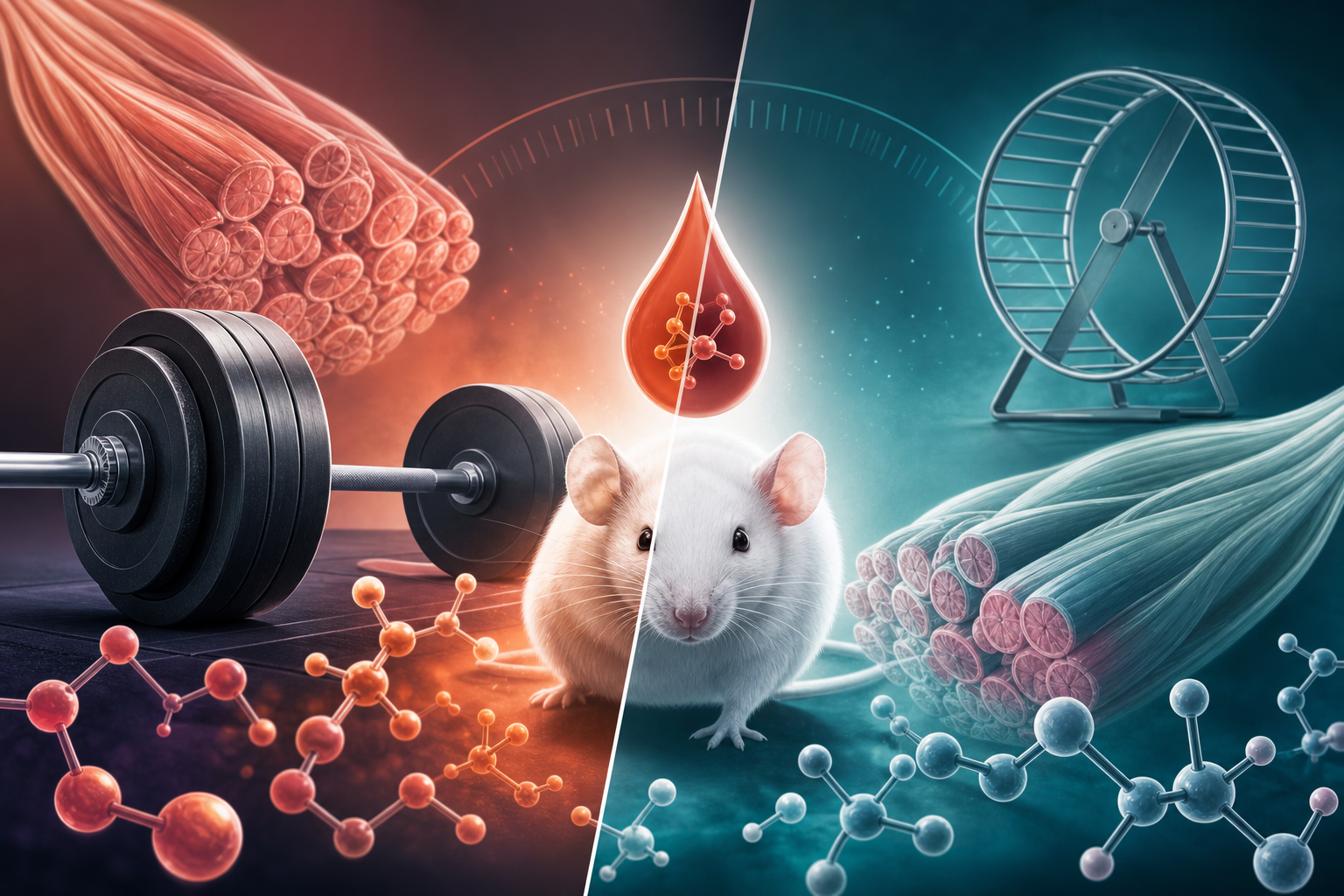
A new Virginia Tech study gives strength training a sharper role in the blood sugar conversation. In research from the Fralin Biomedical Research Institute, scientists found that resistance exercise outperformed voluntary running in several markers tied to obesity and Type 2 diabetes risk.
The important caveat: this was a preclinical mouse study, not a human clinical trial. Still, the finding is useful because it puts two familiar exercise styles side by side under controlled conditions.
Both running and resistance training helped, but the weightlifting-style model produced stronger improvements in fat distribution, glucose tolerance, and insulin resistance.
What Researchers Compared
The study, published in the Journal of Sport and Health Science, used mice fed a high-fat diet as a model for obesity, high blood sugar, and Type 2 diabetes risk. One group had access to a running wheel. Another group used a newly designed resistance-training setup.
That setup is the unusual part. The mice accessed food by lifting a weighted hinged lid while wearing a small collar, creating a squat-like movement. Researchers gradually increased the load, similar to progressive strength training.
Over eight weeks, the team monitored body weight, fat distribution, exercise capacity, heart and muscle function, blood sugar regulation, and molecular insulin signaling in skeletal muscle.
The Result That Stands Out
Running improved metabolic health markers. So did resistance training. But in this model, resistance training went further.
The Virginia Tech team reported stronger reductions in subcutaneous and visceral fat, better glucose tolerance, and lower insulin resistance in the resistance-training group. Those are not cosmetic outcomes. They are central markers in the prevention and management of metabolic disease.
The study suggests that strength training may do more for blood sugar control than many people assume, especially when the goal is improving insulin sensitivity rather than simply burning calories.
Why This Matters
Public health advice often leans heavily on cardio. Walking, running, cycling, and other endurance exercises are easier to explain and measure. They also have a deep body of evidence behind them.
But strength training affects the body differently. Muscle is a major site for glucose disposal. Resistance work changes how muscle tissue responds to insulin, how the body stores and uses energy, and how fat is distributed. Those mechanisms matter for people dealing with obesity, prediabetes, or Type 2 diabetes risk.
The study also matters for people who cannot easily do endurance exercise because of joint pain, mobility limits, age, injury history, or simple preference. If resistance training delivers equal or stronger metabolic benefits, it gives more people a realistic path into exercise.
Do Not Read This as “Quit Cardio”
The practical takeaway is not that running is bad. It is that the best exercise plan probably should not be cardio-only.
For humans, decades of research already support a mix of aerobic training, resistance training, and higher-intensity work when appropriate. The Virginia Tech work strengthens the case for lifting, but it does not replace medical advice, individualized exercise planning, or human clinical evidence.
For anyone managing diabetes, prediabetes, obesity, medication changes, or major health issues, exercise decisions should be made with a clinician. The broader lesson is still clear: strength training belongs in the conversation.
The Bottom Line
Virginia Tech researchers built a creative model to compare running and weightlifting under controlled conditions. In obese mice, both forms of exercise improved metabolic health, but resistance training delivered stronger results on several blood sugar and fat-related measures.
For everyday readers, the message is simple. Cardio helps. Lifting matters. A balanced routine that includes both may offer the strongest long-term health payoff.
Sources: Virginia Tech News; Journal of Sport and Health Science study DOI.