 News Chicago
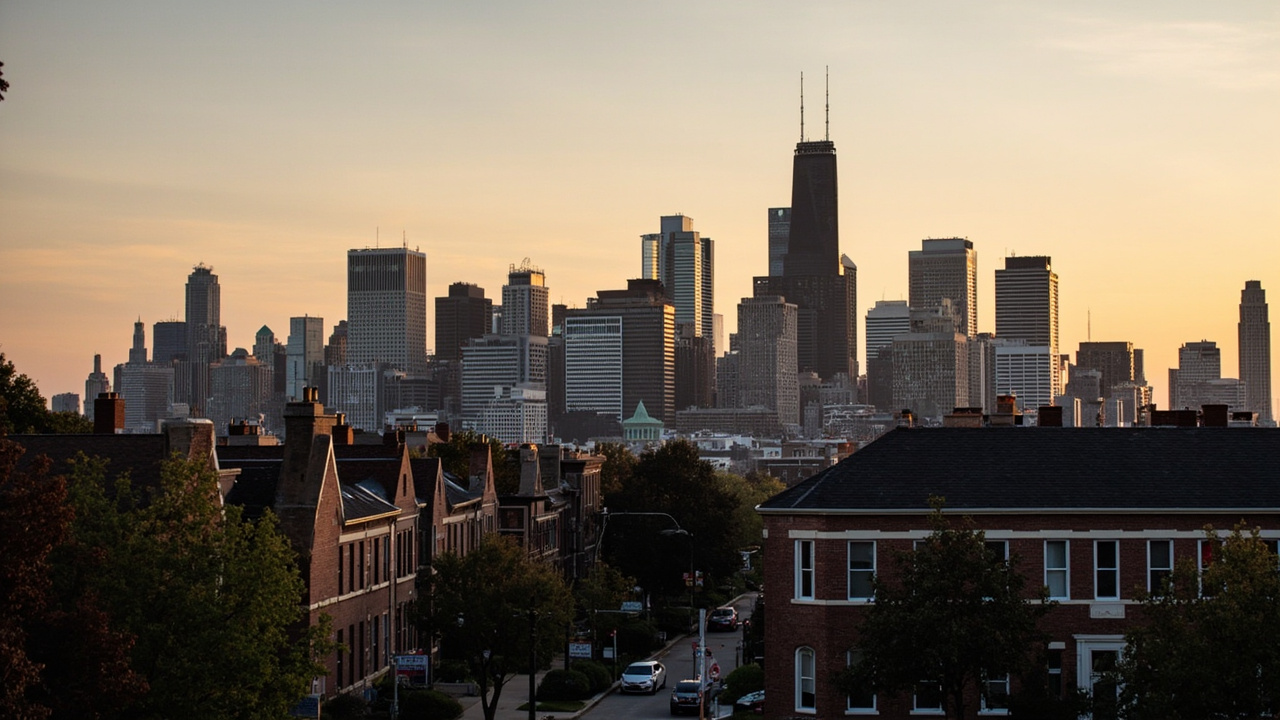
Chicago’s housing market in 2026 remains resilient amid low inventory and steady demand. While national markets cool in some areas, the Windy City continues to see moderate price appreciation, with citywide median home prices hovering between $385,000 and $410,000 — up roughly 4–8% year-over-year depending on the data source. Low inventory keeps the market competitive, but opportunities exist for prepared buyers, strategic sellers, and investors targeting high-growth pockets.
Hottest Neighborhoods in 2026
1. West Loop (Including Fulton Market)
The West Loop continues its reign as one of Chicago’s most desirable areas. Once an industrial zone, it now boasts a thriving dining scene, tech offices, and modern lofts.
- Median prices: Condos and townhomes around $495,000–$530,000, with strong per-square-foot values.
- Why it’s hot: Proximity to downtown, excellent restaurants, limited new supply, and lifestyle appeal.
- Investment angle: Strong rental demand from professionals supports solid cash flow and appreciation. Expect continued growth as the area solidifies as “Chicago’s new downtown.”
2. South Loop
South Loop offers a mix of modern high-rises, historic Printers Row buildings, and lakefront access. It appeals to professionals, families, and those wanting Museum Campus proximity without full downtown prices.
- Median home values: Around $342,000 (with condos driving much of the activity).
- Trends: Slightly softer year-over-year in some metrics, but strong long-term potential due to infrastructure, parks, and accessibility.
- Best for: First-time buyers seeking value and investors betting on continued revitalization near Grant Park and McCormick Place.
3. Logan Square
Logan Square delivers historic charm, tree-lined boulevards, the Blue Line, and a vibrant food and arts scene. It attracts creatives, young professionals, and growing families.
- Median prices: $557,000–$700,000+, varying by property type (single-family homes command premiums).
- Momentum: Consistent appreciation and strong buyer interest. It offers more space and character than denser neighborhoods at relatively attainable prices compared to Lincoln Park.
- Investment play: Excellent rental demand and potential for steady value growth.
Citywide Market Predictions for 2026
- Price Growth: Analysts forecast 4–5% appreciation for the Chicago metro area, supported by persistent low inventory and steady demand. Some projections are more conservative, but local data shows Chicago outperforming national averages in price resilience.
- Inventory: Remains tight, with homes selling faster than in many other cities.
- Sales Volume: Expected to rise modestly (around 5% in some forecasts) if mortgage rates ease slightly.
- Overall Outlook: A balanced but still seller-friendly market. Buyers have more negotiating power on non-premium properties, while well-priced homes in hot areas see competition.
Best time to act: Spring and early summer typically bring the most inventory. Buyers ready with financing can find opportunities before peak competition.
First-Time Buyer Tips for Chicago in 2026
- Get Pre-Approved Early — Strong competition means you need to move fast. Shop multiple lenders for the best rates (currently in the low-to-mid 6% range for 30-year fixed).
- Leverage Local Programs: Chicago Housing Authority Down Payment Assistance (up to $20k for residents, $10k for others). Illinois Housing Development Authority (IHDA) loans and grants. Down Payment Plus programs offering up to $10k–$15k. Building Neighborhoods and Affordable Homes (BNAH) for new construction.
- Target Value Neighborhoods — South Loop and parts of Logan Square often provide better entry points than ultra-premium North Side areas.
- Budget for Extras — Factor in property taxes (higher in Chicago), assessments (especially condos), and winter maintenance.
- Work with a Local Expert — A knowledgeable agent familiar with neighborhood nuances and off-market deals can make a big difference.
- Focus on Long-Term — Chicago’s market rewards patience. Prioritize transit access, walkability, and areas with strong job growth.
Should You Buy, Sell, or Invest?
- Buyers: Act if you’re financially ready — waiting for a big crash is risky given low supply.
- Sellers: Price realistically and stage well. Homes in move-in condition in desirable neighborhoods are still selling quickly.
- Investors: Look at rental yields in West Loop, Logan Square, and emerging South Side pockets. Multifamily and condo rentals perform strongly.
Chicago real estate in 2026 offers stability and measured growth rather than boom-or-bust drama. The city’s economic fundamentals, lakefront appeal, and ongoing development make it attractive for both lifestyle buyers and investors.
Whether you’re eyeing a condo in the South Loop, a greystone in Logan Square, or a loft in the West Loop, opportunities exist for those who do their homework. Consult a local real estate professional and run the numbers carefully — the right move today could pay dividends for years to come.